
If your dentist tells you that a tooth needs treatment, one of the first questions you may have is whether you need a filling or a crown. While both treatments restore damaged teeth, they are designed for different situations. Understanding the difference can help you feel more confident about your treatment plan.
At Dr. Bohdanna Czerniak’s office, we believe patients make the best decisions when they understand their oral health. Every recommendation is based on the condition of the tooth, your long-term oral health goals, and preserving as much healthy tooth structure as possible.
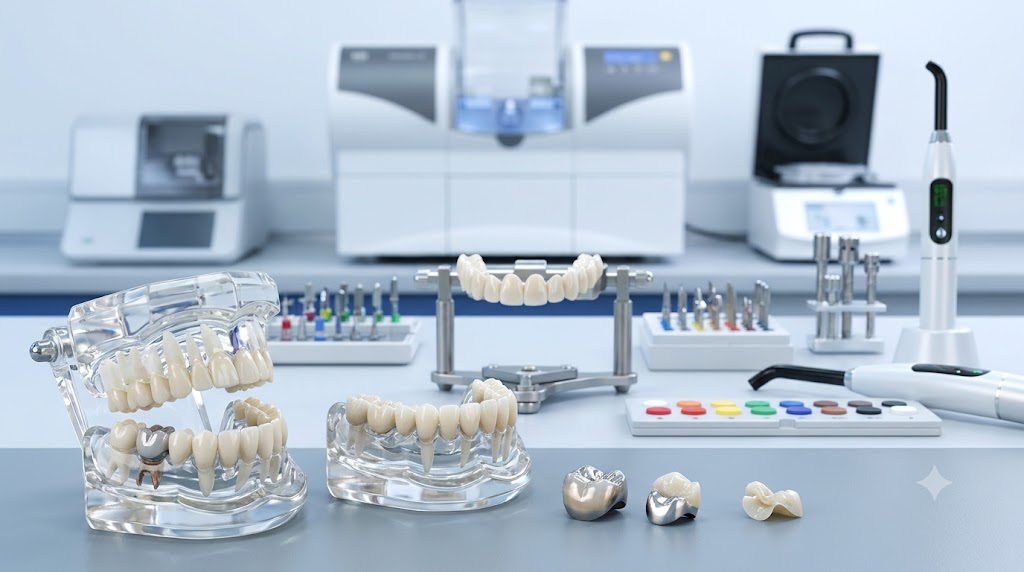
Both Treatments Restore Damaged Teeth
Both dental fillings and dental crowns are restorative treatments designed to repair teeth that have been damaged by decay, fractures, or normal wear.
Although they share the same goal of protecting the tooth and restoring function, they do so in different ways. The amount of healthy tooth structure remaining is often one of the biggest factors in determining which restoration may be the better choice.
Rather than viewing one treatment as better than the other, it is more helpful to think of each as serving a different purpose.
What Is a Dental Filling?
A filling is used to repair a tooth after a cavity or other minor damage has been removed.
After cleaning away the damaged portion of the tooth, the remaining space is filled with a durable restorative material that helps restore the tooth’s shape and function.
Today, many patients choose tooth-colored fillings, which are designed to blend naturally with surrounding teeth while providing lasting support for everyday chewing.
Because fillings preserve much of the natural tooth, they are often recommended when enough healthy tooth structure remains.
What Is a Dental Crown?
A crown covers the entire visible portion of a damaged tooth.
Instead of filling one area, the crown fits over the prepared tooth like a protective cap. This helps strengthen teeth that have extensive decay, large fillings, fractures, or significant wear.
Modern dental crowns are carefully designed to restore both strength and appearance while allowing patients to continue eating, speaking, and smiling comfortably.
When Is a Filling Usually Recommended?
A filling may be appropriate when:
- Tooth decay is relatively small.
- The tooth remains structurally strong.
- A chipped tooth requires minor repair.
- An older filling needs replacement.
- Enough healthy tooth structure remains to support the restoration.
Early diagnosis often allows cavities to be treated conservatively before more extensive treatment becomes necessary.
Routine dental checkups and exams play an important role in identifying problems before they become larger, helping preserve more of your natural tooth whenever possible.
When Might a Crown Be Recommended?
A crown may be recommended when a tooth needs additional protection because too much of its natural structure has been lost.
Examples include:
- Large cavities.
- Teeth with significant fractures.
- Teeth weakened after extensive decay.
- Worn teeth that need additional support.
- Teeth that have undergone root canal therapy, when additional protection is appropriate.
Every recommendation is based on a comprehensive evaluation rather than a single symptom. The goal is always to choose the restoration that best supports the long-term health of your tooth.
How Dentists Decide Between a Crown and a Filling
Choosing between a filling and a crown is not based on one factor alone.
Your dentist considers several aspects of your oral health, including:
- The amount of healthy tooth structure remaining.
- The size and location of the damaged area.
- Whether the tooth experiences heavy chewing forces.
- Existing restorations on the tooth.
- Your overall oral health and long-term treatment goals.
Every treatment plan is individualized because no two patients or teeth are exactly alike.
Why Early Treatment Matters
One of the biggest advantages of routine dental care is finding problems before they become more extensive.
Small areas of decay can often be treated more conservatively than teeth that have been left untreated for a long period. Delaying treatment may allow damage to progress, potentially requiring a larger restoration than would have been needed earlier.
Regular preventative dentistry and routine examinations help identify concerns early while supporting your long-term oral health.
Can a Filling Become a Crown Later?
Yes, in some situations.
Over time, a tooth may experience additional wear, develop new decay, or lose more natural structure. If that happens, a filling that was once appropriate may eventually need to be replaced with a crown to provide additional protection.
This does not mean the original filling failed. Rather, it reflects how teeth naturally change throughout life and why regular dental evaluations remain important.
What Can You Expect After Treatment?
Whether you receive a filling or a crown, your dentist will provide instructions to help you care for your restored tooth.
Maintaining good oral hygiene, keeping routine dental visits, and addressing concerns promptly all help support the longevity of your restoration.
Brushing twice each day, flossing daily, and scheduling regular professional cleanings remain some of the most effective ways to protect both restored and natural teeth.
Protecting Your Natural Smile
One of the primary goals of restorative dentistry is preserving your natural teeth whenever possible.
Treating problems early, maintaining preventive care, and following personalized recommendations can often help reduce the need for more extensive treatment in the future. Whether a tooth is best restored with a filling or a crown depends on its individual condition and your overall oral health.
Working together with your dental team allows you to make informed decisions that support a healthy, confident smile for years to come.
Conclusion
Both fillings and crowns play important roles in restoring damaged teeth. The right treatment depends on how much healthy tooth structure remains, the extent of the damage, and your individual oral health needs.
If you have questions about crown vs filling treatment options or would like to learn more about restoring your smile, contact us to schedule an appointment with Dr. Bohdanna Czerniak. We are committed to providing personalized, compassionate care while helping you preserve your natural teeth whenever possible.
Frequently Asked Questions
Is a crown stronger than a filling?
A dental crown generally provides more coverage because it surrounds the entire visible portion of the tooth. However, that does not mean every damaged tooth needs a crown. The most appropriate restoration depends on the amount of healthy tooth structure remaining.
Can a cavity always be treated with a filling?
Not always. Small to moderate cavities may often be restored with a filling, while larger areas of decay may require a crown to provide additional support.
How does my dentist decide between a crown and a filling?
Your dentist considers factors such as the size of the damaged area, the strength of the remaining tooth, your bite, and your long-term oral health goals before recommending treatment.
Will I need a crown after root canal therapy?
Some teeth that receive root canal therapy may also benefit from a crown because the tooth can become weaker after treatment. Your dentist will determine whether additional protection is appropriate based on your individual situation.
How can I help prevent needing a crown or filling?
Scheduling regular dental checkups and exams, practicing good oral hygiene, and seeking treatment early when problems are identified can help preserve more of your natural tooth structure.